For media buyers, audience targeting is everything. And when the brief is to reach Australian pet owners with precision, the answer is not more social media spend — it is understanding where pet owners go, what they do, and how to intercept them in the moments that matter. This is your practical guide on how to target pet owners outside the home: mapping their physical journey, identifying the highest-value touchpoints, and activating campaigns that convert.
Mapping the Pet Owner's Physical Journey
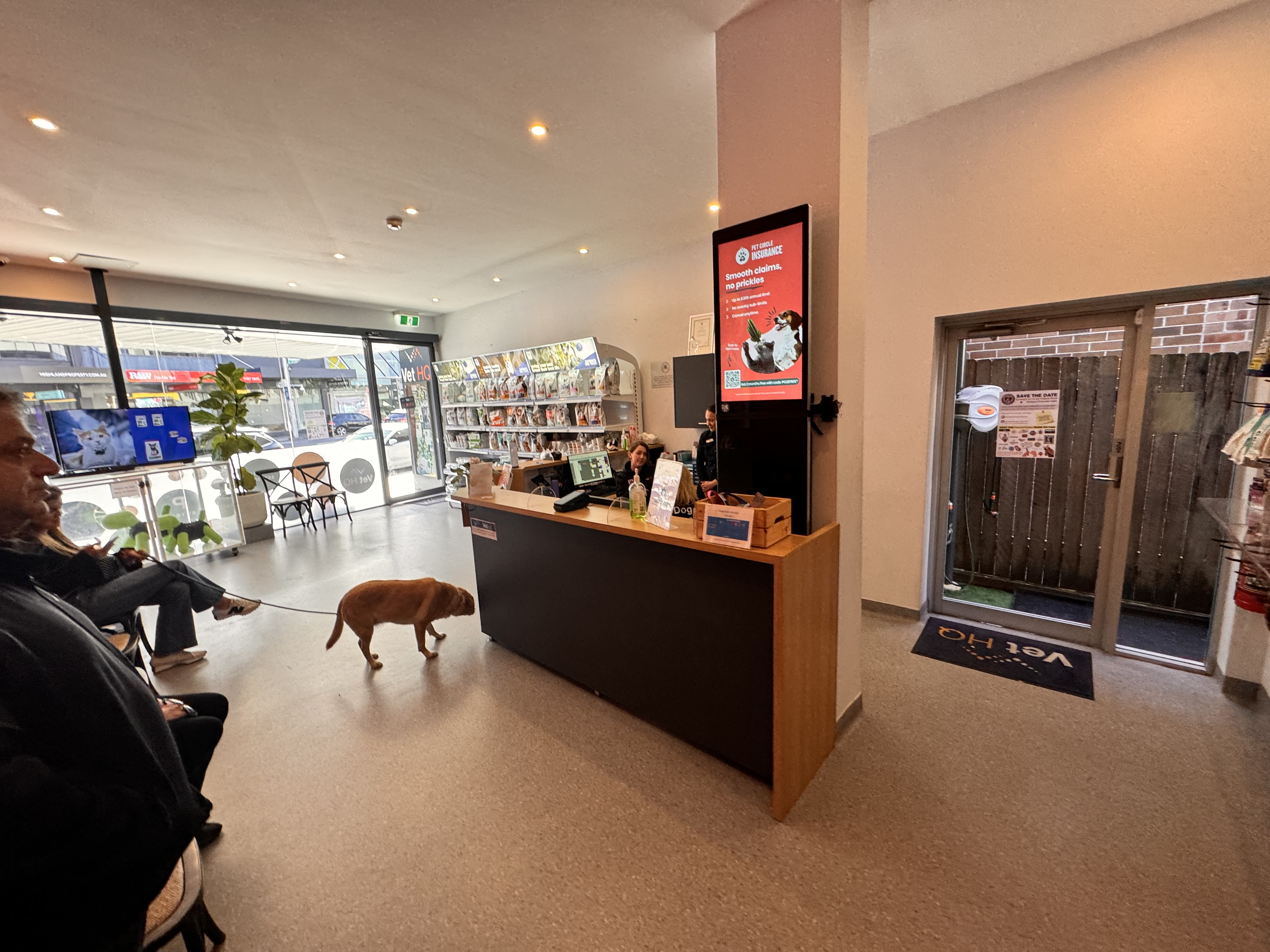
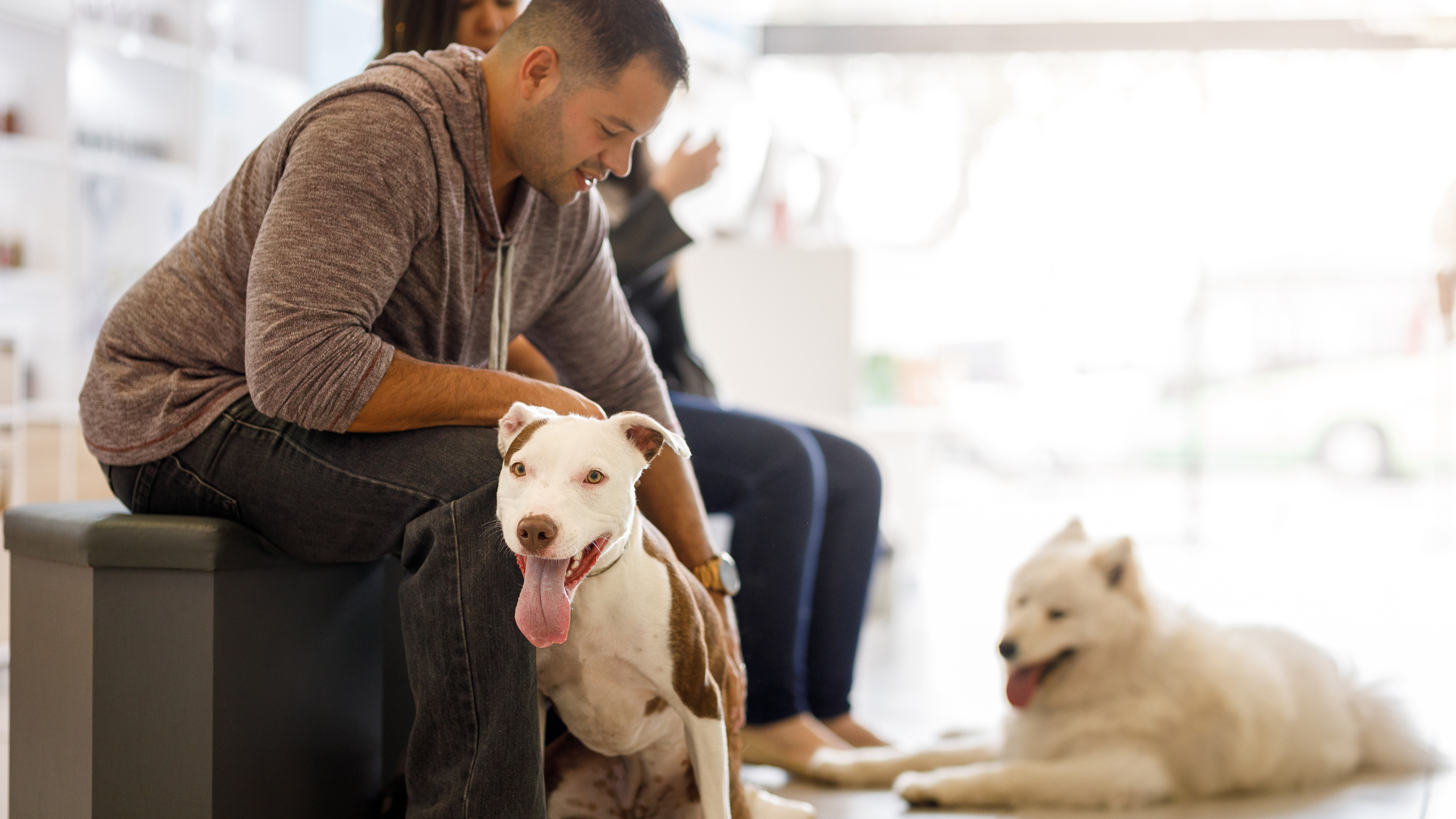
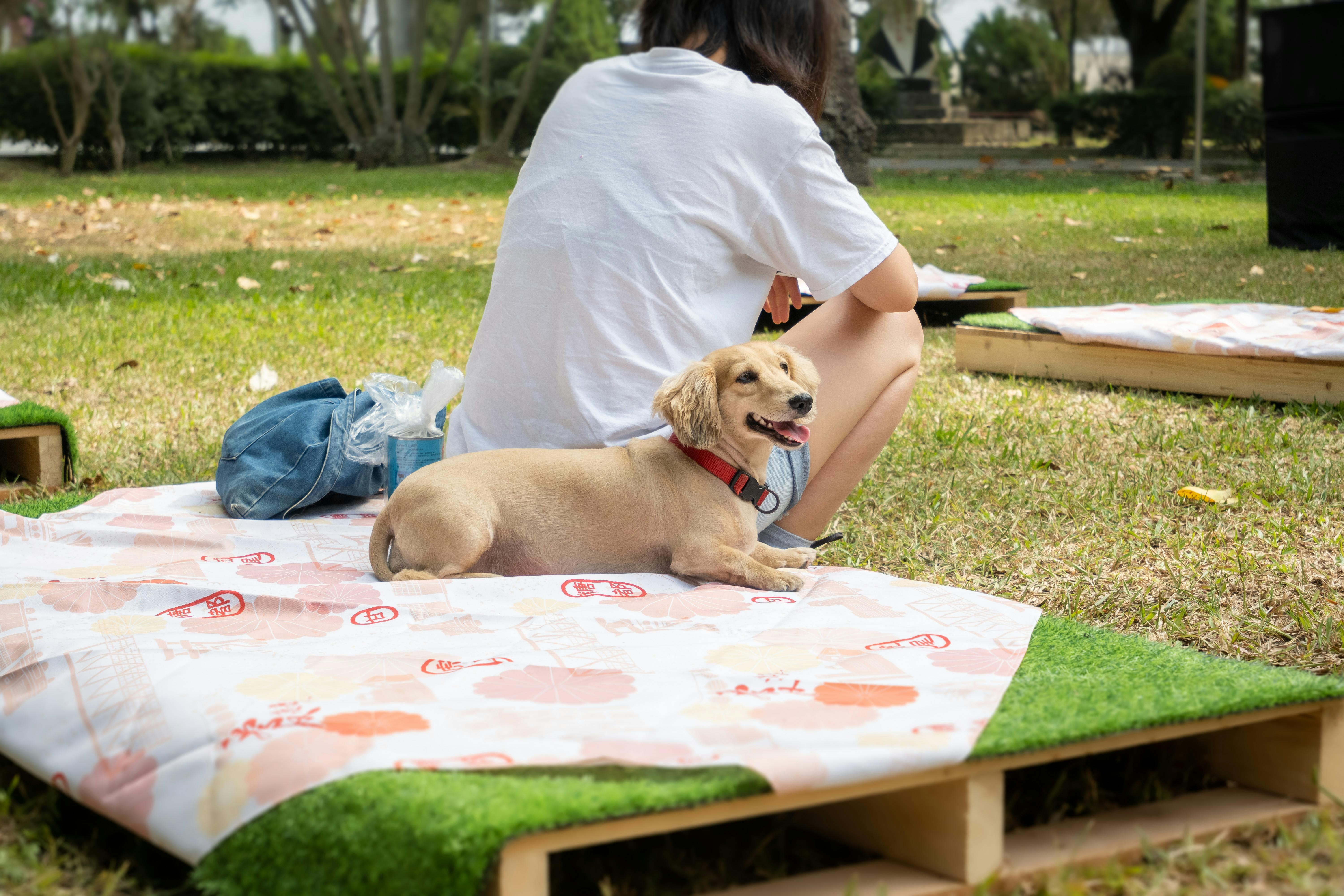
The first step in any effective DOOH media plan for a pet brand client is journey mapping. Australian pet owners follow predictable patterns that create reliable targeting opportunities: The daily walk takes dog owners to parks, walking trails, and pet-friendly community spaces — typically in the early morning or late afternoon. These are high-frequency, high-familiarity touchpoints ideal for building brand presence. The monthly supply run brings pet owners to major pet retailers, supermarkets with pet sections, and specialty pet food stores. These are high-intent, near-purchase moments. The quarterly vet visit places pet owners in one of the most powerful advertising environments available — a quiet, focused waiting room where the average dwell time is 22 minutes and the dominant mindset is their pet's health and happiness.
Location-Based DOOH Targeting
Modern DOOH platforms allow media buyers to target pet owners at scale using location intelligence. Rather than purchasing screens based on a general audience demographic, you can use mobile location data to identify high-density pet ownership areas and activate screens within those zones. Practical examples include activating screens near the highest-concentration suburban dog parks on Saturday mornings, prioritising screens in postcode clusters with above-average vet clinic density, and layering retail proximity targeting to reach consumers within a defined radius of major pet supply chains. This shifts how to target pet owners outside the home from a question of "who" to a question of "where and when" — and the answer is far more precise than anything achievable through broad digital targeting.
The Point-of-Care Targeting Advantage
For media buyers, veterinary clinic networks represent a premium targeting solution that deserves dedicated budget. The targeting precision is inherent — every single person in that waiting room is a pet owner, actively thinking about their animal. Unlike a digital campaign where you are bidding to reach pet owners within a broader audience pool, a vet clinic placement guarantees 100% audience relevance. Combined with a 22-minute average dwell time, this produces an attention-to-budget efficiency that is extremely difficult to match through any other channel. For clients selling products that require consumer education — supplements, insurance, specialised nutrition, preventative healthcare — point-of-care is not just efficient; it is the only environment where meaningful education can occur.
Measurement and Attribution
Modern DOOH provides media buyers with the measurement tools to prove the value of offline pet owner targeting:
- Device ID tracking: link screen exposure to subsequent in-store visits or website sessions.
- Foot traffic attribution: measure how many exposed consumers visited a specified retailer after seeing the campaign.
- Sales uplift studies: integrate with POS data to correlate DOOH exposure with actual purchase behaviour.
- Brand lift surveys: quantify changes in awareness, favourability, and purchase intent in exposed vs unexposed audiences.
Want to build a smarter media plan targeting Australian pet owners? Fur Media provides media buyers with direct access to our premium vet clinic and pet retail DOOH network. Get in touch to discuss audience data, inventory, and measurement capabilities.
Plan a campaign with us.
Pet brand or category brand — if you want premium, brand-safe DOOH inventory, let's talk.
Book a Campaign Call