The Australian pet sector continues to deliver strong brand growth, but agency planners managing pet brand portfolios are running into a familiar problem: digital ROI is declining, and clients are demanding better results for their media spend. This guide is a practical breakdown of the pet advertising channels that actually work in 2026 — what they offer, where they fit in the media mix, and how to present them credibly to clients.
The Digital Problem Your Clients Are Feeling
Social media and search remain the default, but the efficiency story has changed. Rising CPMs, iOS privacy restrictions, and increasingly sophisticated ad-avoidance behaviour have reduced the performance of digital-only strategies for most pet brands. As an agency, you risk losing credibility if you keep recommending the same digital channels with diminishing returns. The agencies building stronger client relationships are the ones bringing fresh, high-performing channels to the table — particularly offline media that delivers guaranteed attention rather than questionable impressions.
The Offline Pet Advertising Channels Worth Knowing
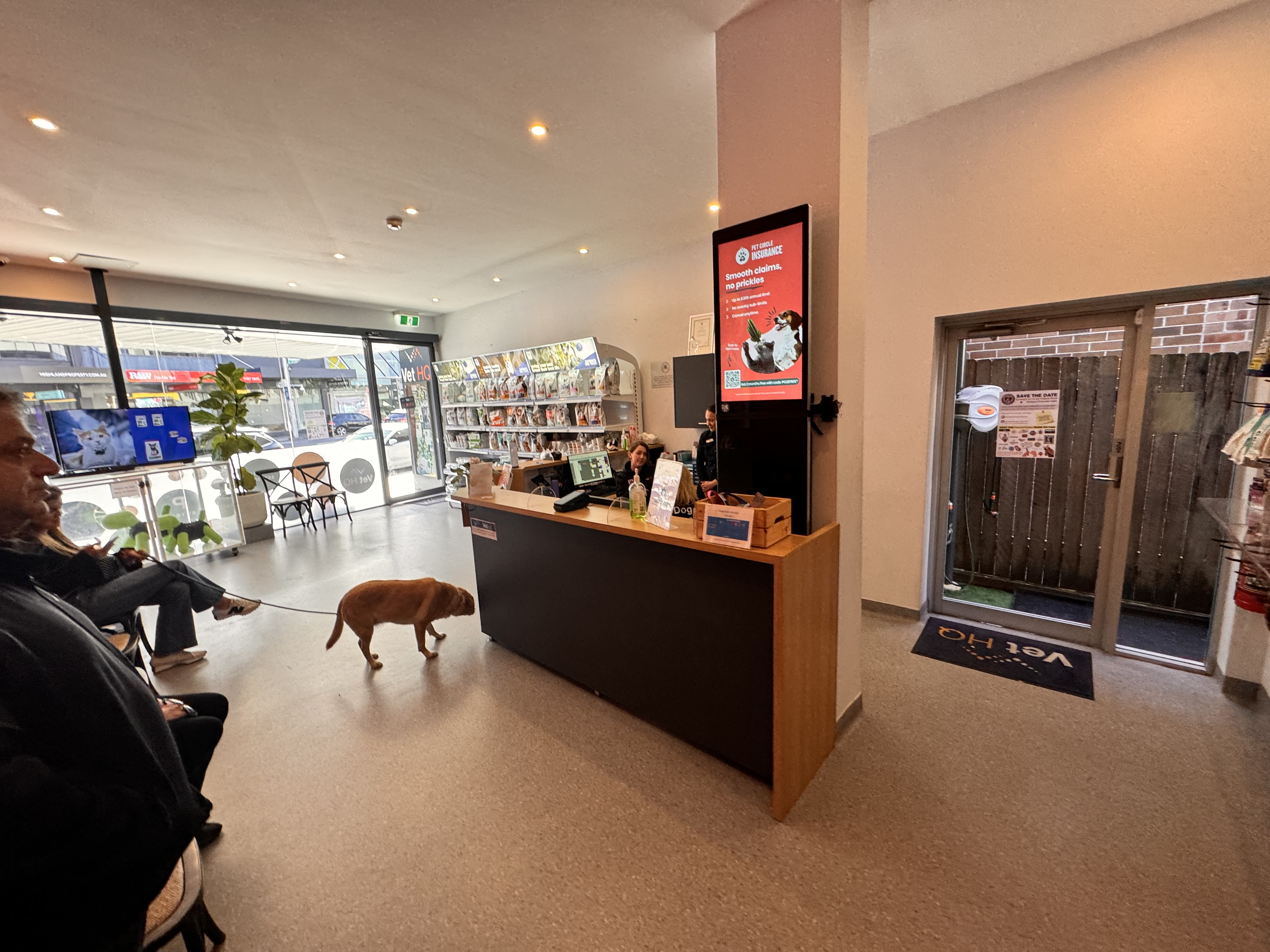
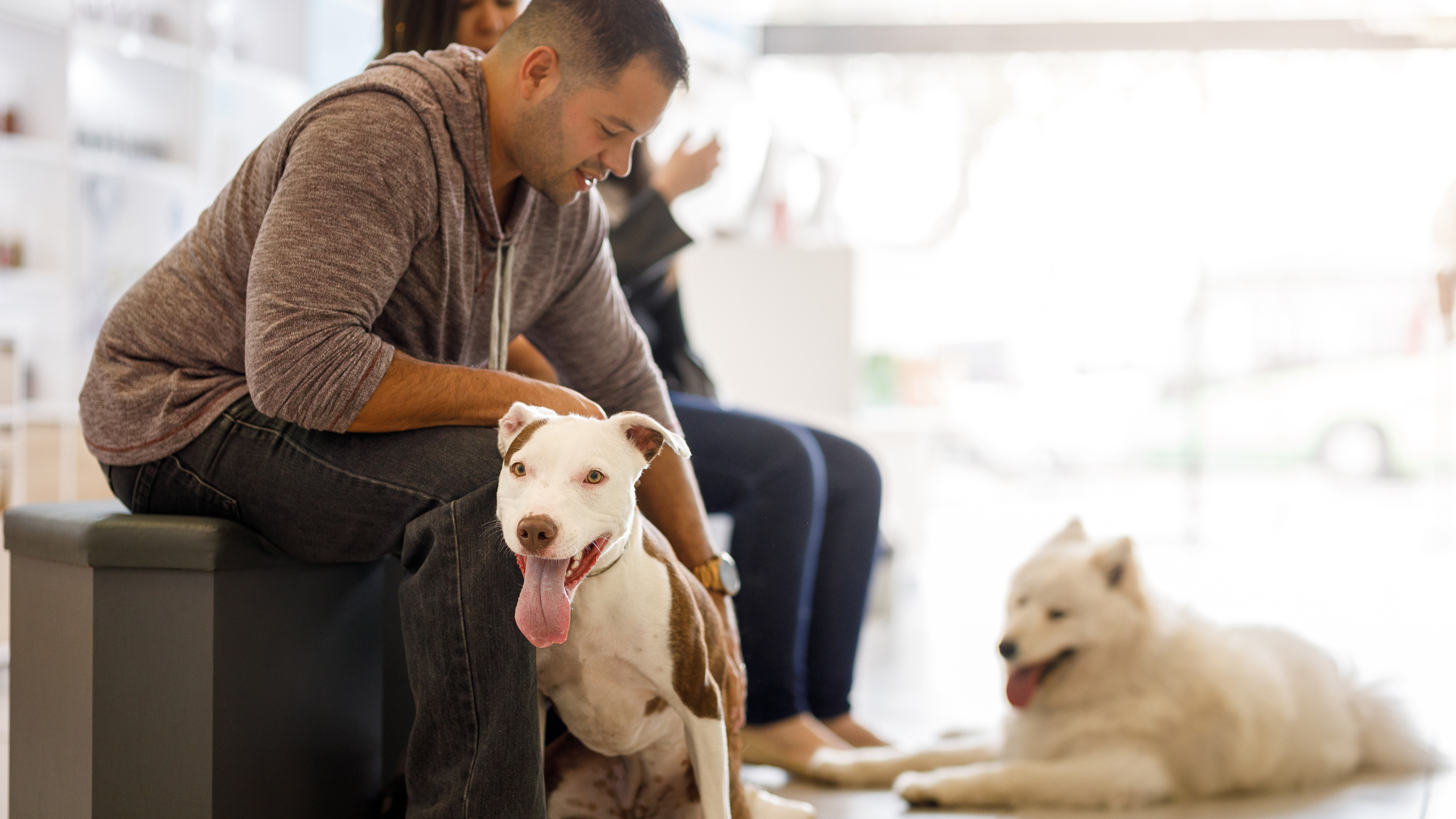
There are three primary offline pet advertising channels that should feature in every agency's media toolkit: Veterinary clinic networks are the highest-trust, highest-dwell-time channel in the category. Pet owners spend an average of 22 minutes waiting in a vet clinic — fully focused on their animal's wellbeing. This is the ideal context for educational, premium brand messaging. For clients selling supplements, insurance, prescription diets, or any product that requires consumer trust, this channel is unmatched. Pet retail media covers digital screens at major pet supply retailers, positioned near relevant aisles or at the checkout. This is a high-intent, conversion-focused channel — ideal for promotional campaigns, new product launches, and direct brand comparison messaging right at the point of purchase. Community DOOH in pet-friendly locations — near dog parks, pet-friendly cafes, and grooming salons — delivers broad awareness in contextually relevant environments. This is the top-of-funnel layer that builds the brand familiarity that makes lower-funnel channels work harder.
How to Present Offline Channels to Clients
Clients who have lived in a digital world often need a framework to understand why offline pet advertising channels deserve budget. The most effective framing is attention quality: Compare the 22-minute average dwell time in a veterinary waiting room to the 1.7-second average view time for a social media ad. Then calculate how many three-second social ads would be needed to deliver the same total attention time. The economics typically shift the conversation rapidly. Support this with measurement capabilities: modern DOOH channels provide foot traffic attribution, brand lift studies, and sales uplift measurement — the same rigour clients expect from digital.
Building the Recommended Mix
For most pet brand clients, the recommended 2026 channel mix follows this structure:
- Digital (social, search, programmatic): performance-focused, retargeting, conversion campaigns.
- Veterinary clinic DOOH: brand trust, education, consideration — particularly for high-value or complex products.
- Pet retail media: conversion, promotional, and new product launch campaigns.
- Community DOOH: broad awareness and brand familiarity in pet-owner-dense locations. Agencies that can confidently recommend and execute across this mix will consistently outperform those working within a purely digital remit.
Looking for a media partner that specialises in pet advertising channels? Fur Media works directly with agencies to provide seamless access to Australia's leading pet DOOH network. Contact our agency team to discuss planning and rates.
Plan a campaign with us.
Pet brand or category brand — if you want premium, brand-safe DOOH inventory, let's talk.
Book a Campaign Call