The Australian pet industry is generating record revenue, but the marketing landscape has never been more competitive. If your pet brand marketing strategy 2026 still leans heavily on social media and paid search, you are fighting for attention on the most crowded battlefield in advertising history. This year, the brands pulling ahead are doing something different. They are taking their message offline — and capturing audiences that digital simply cannot reach.
The Digital Ceiling Is Real
Social media CPMs have climbed steadily for three consecutive years. Algorithm changes reduce organic reach to near zero. And with privacy restrictions tightening across iOS, Android, and browsers, the precision targeting that once justified digital-heavy budgets is eroding fast. For pet brands, this creates a genuine strategic problem. Your customers are highly identifiable — they walk into vet clinics, shop at pet supply stores, and frequent dog parks and grooming salons. Yet digital channels force you to compete with every other brand for the same shrinking pool of attention, at rising cost.
Where Attention Has Moved
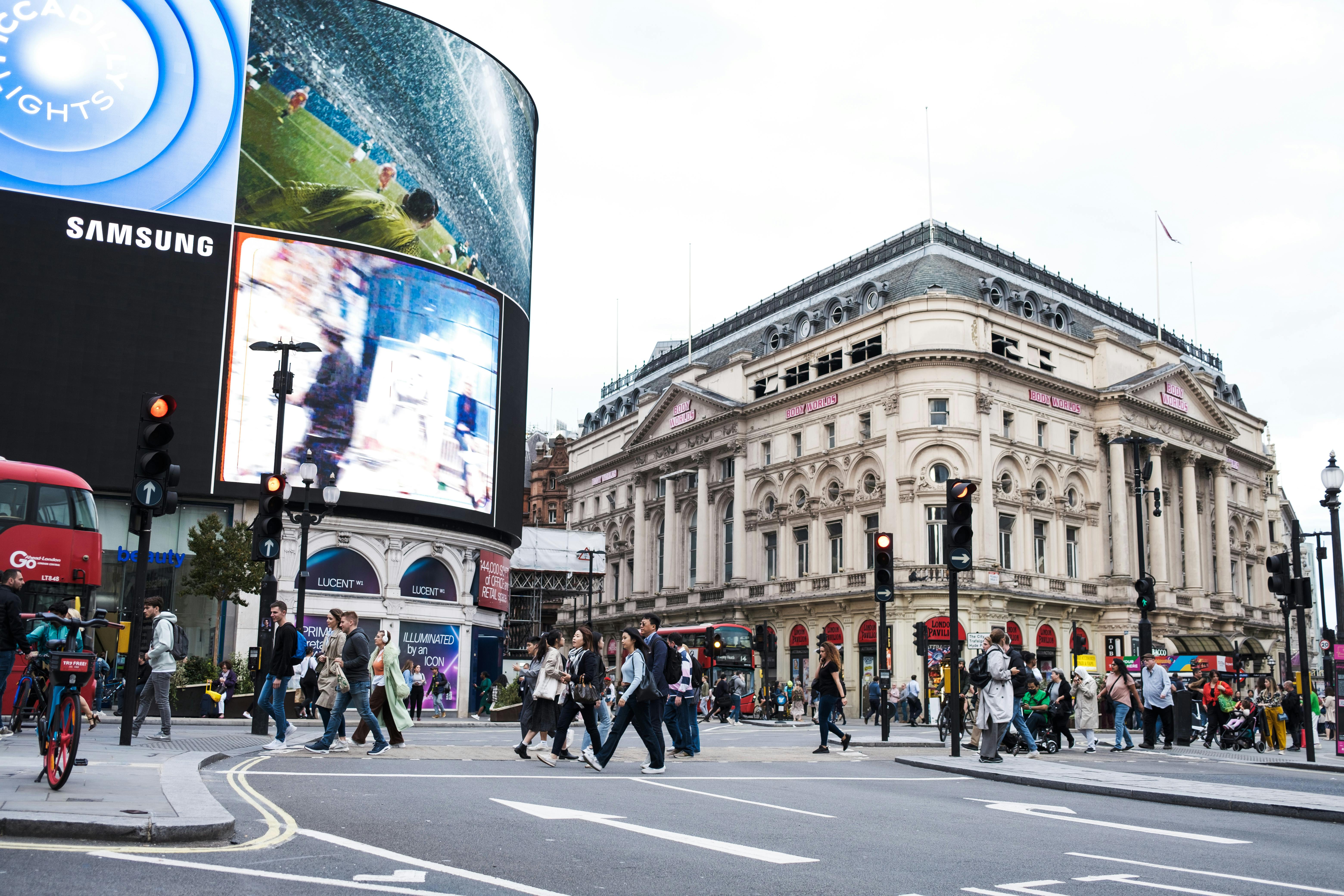
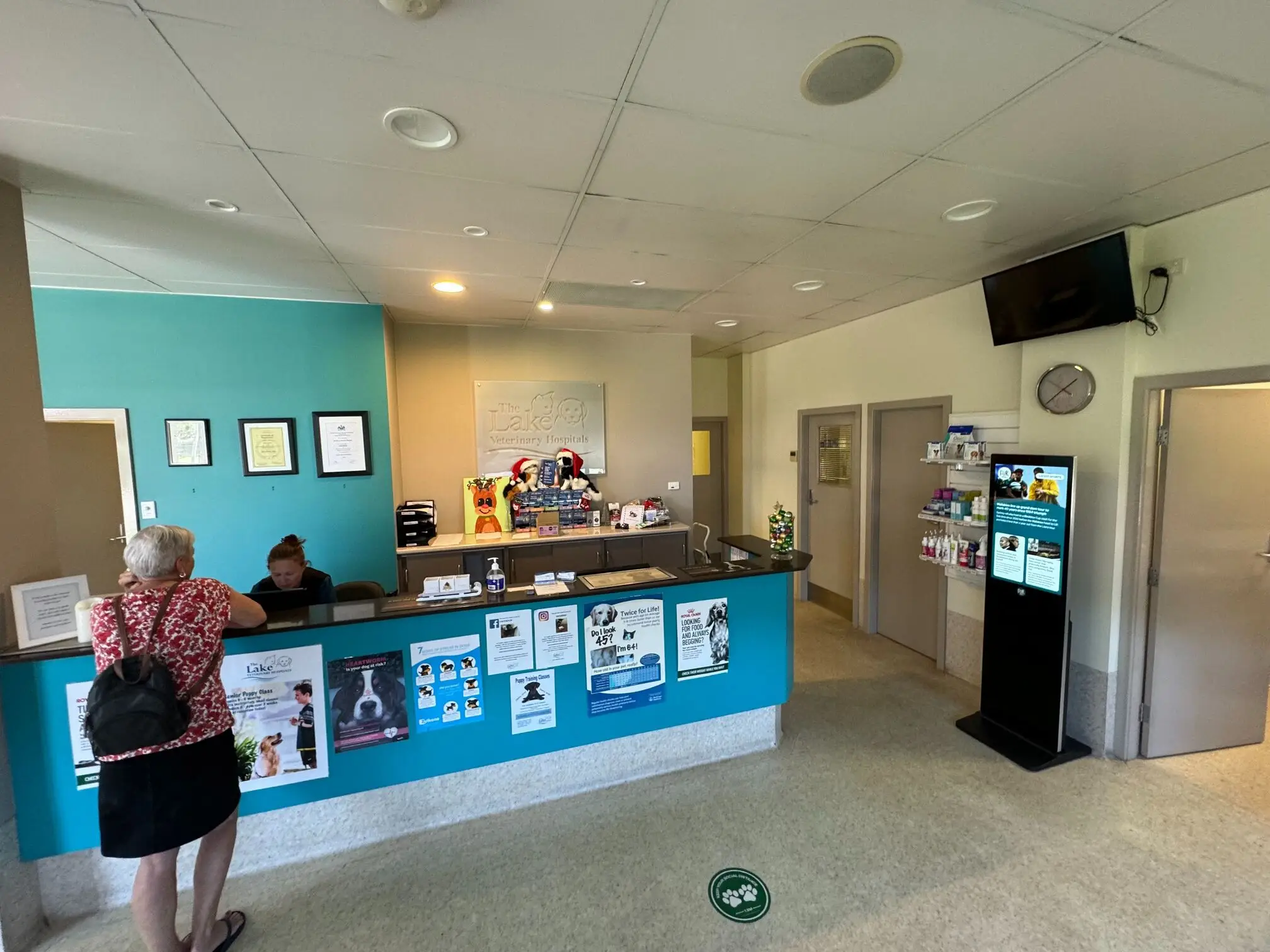
The most impactful pet brand marketing strategy 2026 is built around a simple insight: pet ownership is a physical activity. Walks, vet appointments, grooming sessions, and weekend trips to the pet store are all offline moments — and they are moments when your customers are thinking about exactly what you sell. Out of home advertising for pet brands intercepts these moments directly. Digital out of home (DOOH) screens positioned in veterinary clinics, pet retail environments, and pet-friendly community spaces reach your exact audience without an algorithm, a bid war, or a tracking pixel.
The 22-Minute Advantage
Here is the number that should reshape your media planning: the average Australian pet owner spends 22 minutes in a veterinary waiting room. That is 22 uninterrupted minutes during which their primary focus is their pet's health, nutrition, and happiness. Compare that to 1.7 seconds — the average time a social media user actually looks at a sponsored post. The attention gap is not marginal; it is transformational. High dwell time environments give your brand the runway to communicate genuine value, not just flash a logo and hope for recall.
Building Your 2026 Strategy
A winning pet brand marketing strategy 2026 does not abandon digital entirely — it rebalances. Use digital for retargeting and performance, and use offline media for the trust-building, brand equity work that drives long-term market share. Practical steps to start:
- Audit your current channel mix and calculate your true cost-per-attention, not just cost-per-impression.
- Map the physical locations where your target customers make pet-related decisions — vets, groomers, pet stores, dog parks.
- Allocate a portion of your digital budget toward high dwell time environments where your message will be seen, absorbed, and remembered.
- Tailor creative to context. A vet waiting room calls for educational, trust-led messaging. A retail environment calls for conversion-focused creative.
The Brands That Will Win
In 2026, the pet brands that dominate market share will not simply be the ones with the largest digital budgets. They will be the ones that understood where their customers actually spend time — and showed up there, consistently and memorably. Offline is not the past. For pet brands, it is the competitive edge.
Ready to build your 2026 offline strategy? Contact Fur Media to discover how our dedicated Australian pet media network places your brand in front of engaged, high-intent pet owners.
Reach engaged pet owners.
200+ veterinary clinics. 1.6M pet owners a month. 20 minutes of captive attention per visit.
Start a Campaign