Your ad was seen 2.3 million times last quarter. But how many of those 2.3 million views generated a genuine thought, a memory, or a purchase intention? This is the central problem with impression-based advertising — and it is why real world attention advertising is rapidly becoming the metric that separates high-performing brands from those wasting budget on vanity numbers.
What Is Real World Attention Advertising?
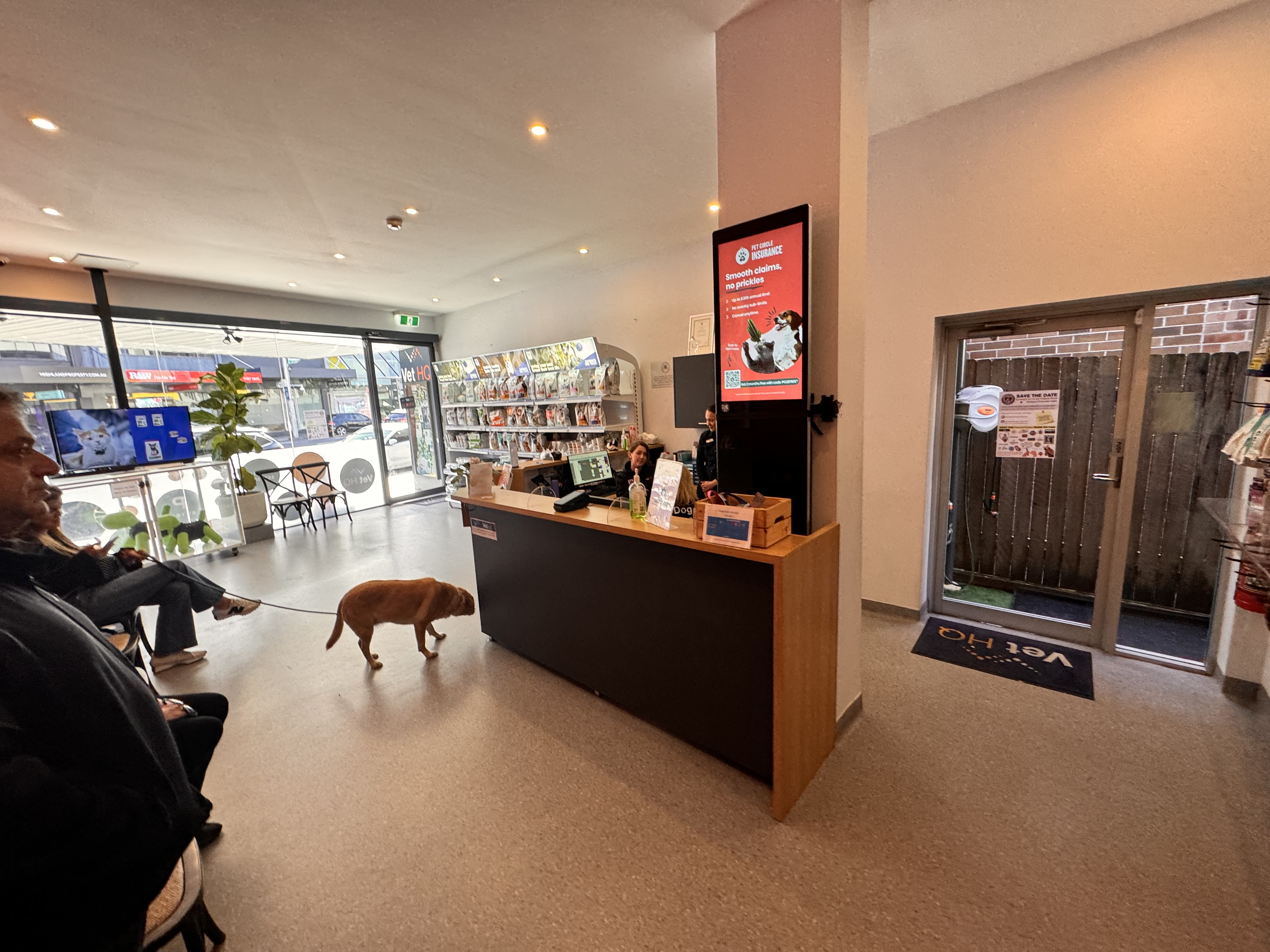
Real world attention advertising is a philosophy built on a straightforward premise: not all exposure is equal. A consumer who actively reads your messaging for 30 seconds in a quiet waiting room has received a fundamentally different experience than someone who scrolled past your ad in 1.7 seconds on a crowded Instagram feed. Attention advertising focuses on placements where consumers are present, focused, and receptive — not distracted, rushed, or scrolling on autopilot. For pet brands, this means showing up in the physical spaces where pet owners spend meaningful time: veterinary clinics, grooming salons, pet supply stores, and community spaces where they walk their dogs.
The Problem with Impressions as a Currency
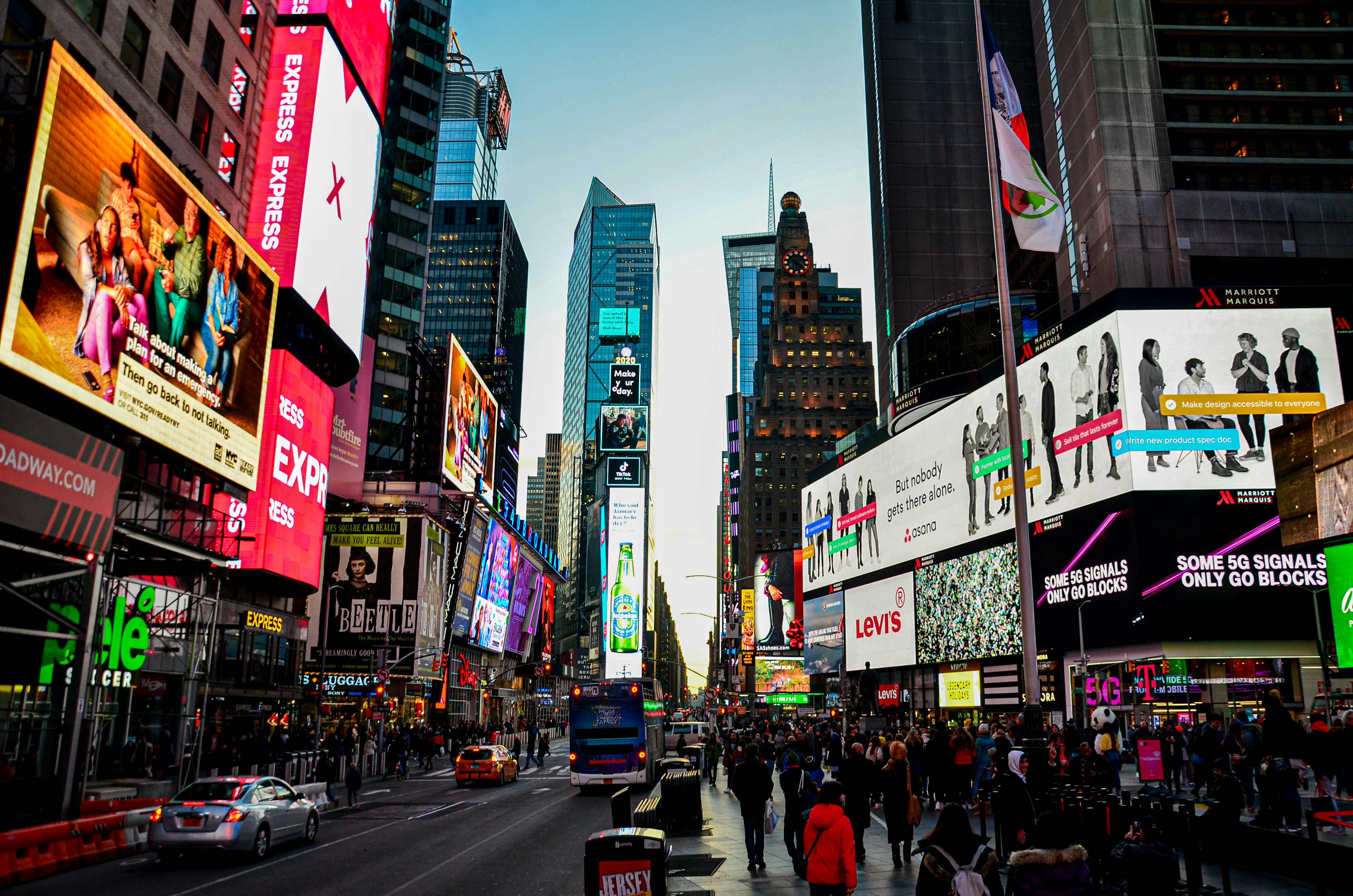
The advertising industry has built its measurement infrastructure around impressions because they are easy to count, not because they are meaningful. An impression tells you an ad was technically served to a screen. It tells you nothing about whether a human being looked at it, processed it, or remembered it. Research consistently shows that the number of seconds a consumer spends with an ad is one of the strongest predictors of brand recall and purchase intent. Dwell time — the duration of real engagement — is what creates the mental shortcuts and brand associations that drive buying decisions.
Why Pet Brands Are Uniquely Positioned to Win on Attention
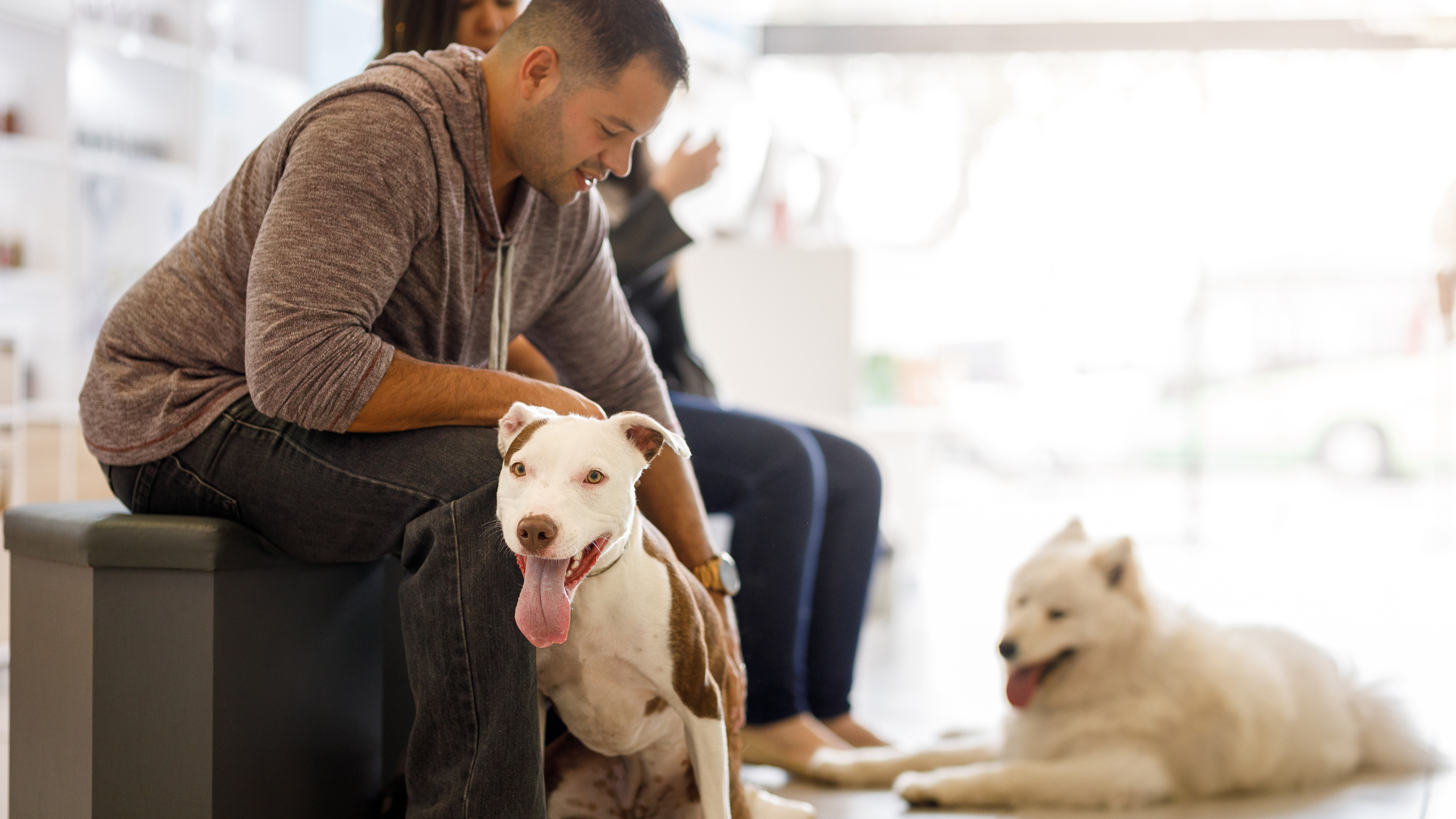
Pet ownership creates natural, recurring, high-attention moments in the physical world. The vet visit, the Saturday morning dog walk, the monthly trip to the pet supply store — these are rituals that owners engage in with genuine focus and emotional investment. The average Australian pet owner spends 22 minutes in a veterinary waiting room. During those 22 minutes, they are not scrolling a feed or multitasking through a commute; they are sitting quietly, focused on their animal, and highly receptive to relevant information about pet health, nutrition, and care. This is the environment where real world attention advertising delivers its most powerful results. Your brand has the time and the context to communicate genuine value — not just a tagline, but a story, a proof point, a reason to believe.
How to Shift Your Strategy Toward Attention
Making the transition from impression-focused buying to attention-focused buying requires a shift in both measurement and mindset:
- Replace CPM benchmarks with attention metrics: average view time, dwell time, and message recall rates.
- Prioritise placements in high-dwell environments over high-volume environments.
- Design creative for sustained engagement, not instant recognition. You have 22 minutes — use them.
- Contextualise your messaging to the environment. Pet owners in a vet clinic want information relevant to their pet's health; those at a dog park want something energetic and fun.
Attention Is a Competitive Moat
While your competitors continue buying cheap impressions in congested digital environments, a shift toward real world attention advertising builds something they cannot easily replicate: genuine brand relationships with engaged, high-quality audiences. In a noisy market, that is not a small advantage — it is a decisive one.
Ready to shift from impressions to real attention? Fur Media's Australian pet media network delivers your brand into high-dwell, high-trust environments where pet owners are genuinely engaged. Contact us to start your attention strategy.
Reach engaged pet owners.
200+ veterinary clinics. 1.6M pet owners a month. 20 minutes of captive attention per visit.
Start a Campaign